Perfume Manufacturing Process: From Fragrance Concept to Finished Product
The perfume manufacturing process involves much more than simply filling fragrance into bottles. A successful perfume project requires careful planning of the fragrance concept, formulation, samples, bottles, caps, pumps, packaging, labeling, legal requirements, production, filling, quality control and logistics.
For entrepreneurs who want to launch their own perfume brand, understanding the perfume production process is an important part of planning a successful product.
Whether you are starting a new fragrance brand, expanding an existing product range or looking for a private label perfume manufacturer in Turkey, working with an experienced manufacturing partner can simplify the entire production process.
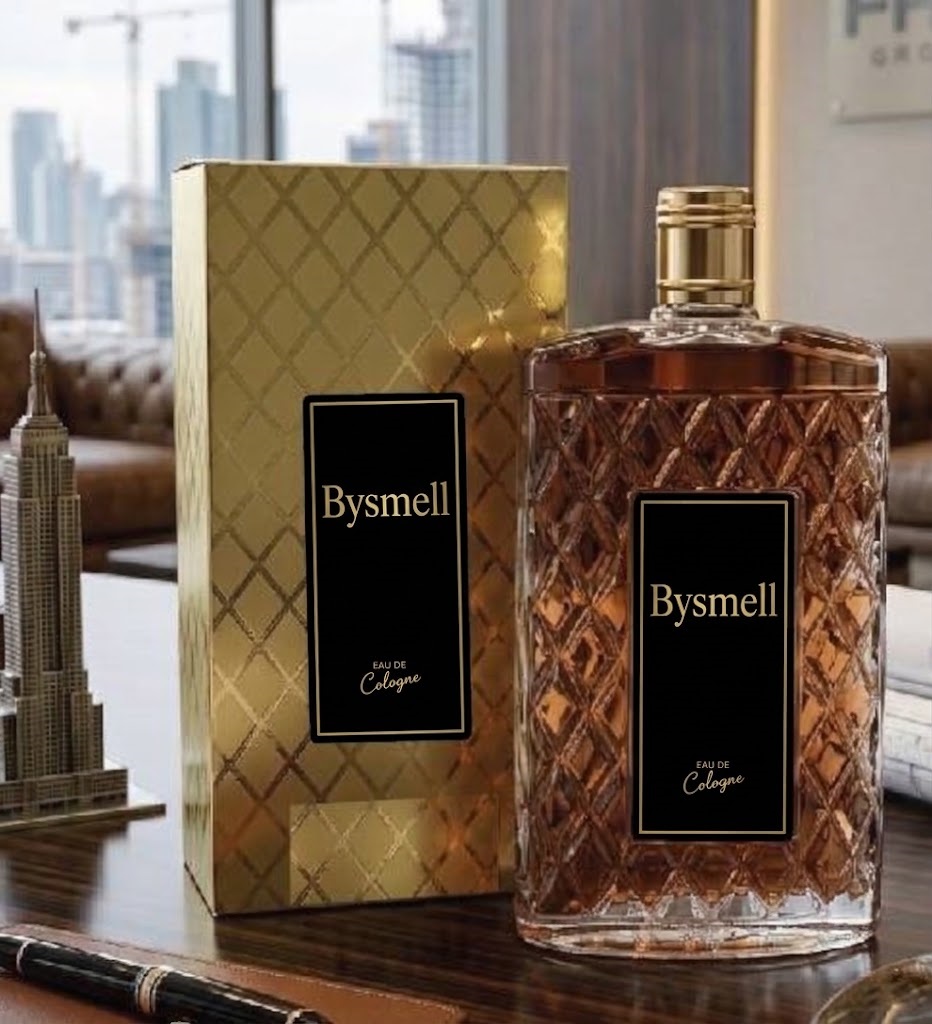
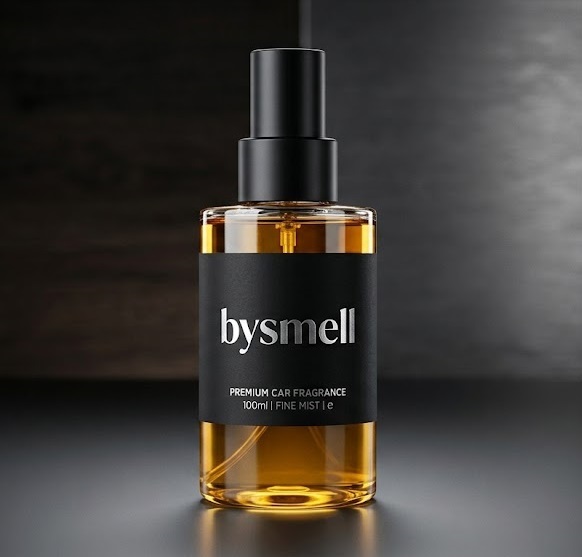
At Bysmell, we provide private label, OEM and contract perfume manufacturing solutions for brands and businesses. Depending on the project, different stages from fragrance development and formulation to packaging, production, filling, quality control and logistics can be planned together.
In this guide, we explain the perfume manufacturing process step by step, from the initial project discussion to the final finished product.
What Is Contract Perfume Manufacturing?
Contract perfume manufacturing means having your perfume products manufactured by a professional perfume manufacturer instead of establishing and operating your own production facility.
Under this model, the brand determines the desired product concept, target market and brand identity, while the manufacturer manages the technical production stages according to the project requirements.
Depending on the project, contract perfume manufacturing may include:
- Fragrance selection
- Fragrance development
- Formula development
- Sample production
- Bottle selection
- Cap and pump selection
- Packaging
- Labeling
- Raw material sourcing
- Perfume production
- Filling
- Quality control
- Packaging
- Logistics
This manufacturing model can be suitable for:
- New perfume brands
- Entrepreneurs
- E-commerce brands
- Cosmetics companies
- Retailers
- Distributors
- Wholesalers
- Existing fragrance brands
- Companies developing their own brand for international markets
With private label perfume manufacturing, the finished product can be developed and sold under the customer’s own brand name and identity.
How Does the Perfume Manufacturing Process Work?
The exact production process may vary depending on the product and project requirements. However, a typical private label perfume manufacturing process includes the following stages:
- Project and brand requirements
- Target market and product concept
- Fragrance and perfume selection
- Formula development
- Sample production
- Sample evaluation and approval
- Perfume bottle selection
- Cap and pump selection
- Box and packaging planning
- Label and branding applications
- Legal and documentation planning
- Raw material and packaging sourcing
- Perfume production
- Maturation and filtration
- Perfume filling
- Pump and cap assembly
- Quality control
- Labeling and packaging
- Shipping and delivery
Let’s examine these stages in detail.
1. Project and Brand Requirements
The first step in the perfume manufacturing process is not immediately starting production.
The manufacturer first needs to understand what the brand wants to create.
Important questions include:
- How many perfume products will be manufactured?
- Will the fragrance be for women, men or unisex consumers?
- What bottle size will be used?
- Who is the target customer?
- Will the product be positioned as affordable, mid-range, premium or niche?
- Which countries will the product be sold in?
- What is the expected production quantity?
- Will an existing fragrance be selected?
- Is a custom fragrance required?
- Will a standard bottle or custom bottle be used?
- What type of packaging is required?
- Will the bottle require printing, painting or other decoration?
Answering these questions at the beginning helps establish a more accurate perfume production plan.
2. Target Market and Product Concept
A perfume product is not successful simply because it smells good.
The fragrance, bottle and packaging should be appropriate for the target market.
For example, a young lifestyle fragrance brand and a luxury niche perfume brand may require completely different:
- Fragrance profiles
- Bottles
- Caps
- Packaging
- Colors
- Graphic design
- Product sizes
- Price positioning
Possible concepts may include:
Premium Perfume Brand
A premium fragrance concept may require higher-end bottles, caps and packaging.
Niche Perfume Brand
Niche fragrance brands may focus more heavily on distinctive fragrance profiles and unique brand identity.
Everyday Fragrance Collection
Products designed for everyday use may prioritize accessibility, practicality and competitive pricing.
Unisex Perfume Collection
Unisex fragrances can be developed around fragrance profiles designed to appeal to a wider customer base.
Determining the target market at an early stage makes it easier to select the appropriate fragrance, bottle and packaging.
3. Fragrance and Perfume Selection
Fragrance selection is one of the most important stages of the perfume production process.
The fragrance is one of the key elements that determines how consumers experience and remember a perfume.
A brand may:
- Select an existing fragrance profile
- Choose from different fragrance families
- Evaluate multiple fragrance samples
- Request a custom fragrance development
- Provide its own existing formula to the manufacturer
A fragrance should not be evaluated only immediately after application.
The:
Top notes → Middle notes → Base notes
should be evaluated together.
The character of a fragrance can change over time. This is why fragrance sampling and evaluation are important parts of private label perfume manufacturing.
4. Formula Development and Sample Production
After the fragrance has been selected, the formulation stage can begin.
The desired fragrance character, concentration and product specifications are taken into consideration.
Formula development is not simply about creating a pleasant-smelling perfume.
The product may also need to be evaluated for:
- Stability
- Appearance
- Fragrance balance
- Spray performance
- Production suitability
- Compatibility with the packaging
A professional perfume manufacturer in Turkey should consider these technical factors before moving to mass production.
5. Sample Evaluation and Approval
Before mass production begins, the perfume sample should be evaluated and approved by the brand.
The brand can test the sample and provide feedback where necessary.
For example:
- The fragrance needs to be stronger.
- The top notes should be fresher.
- The fragrance character needs to be adjusted.
- Spray performance should be evaluated again with the selected bottle.
The purpose of the sampling stage is to make sure that the product is as close as possible to the brand’s expectations before mass production.
Sample approval is therefore a critical stage in the perfume manufacturing process.
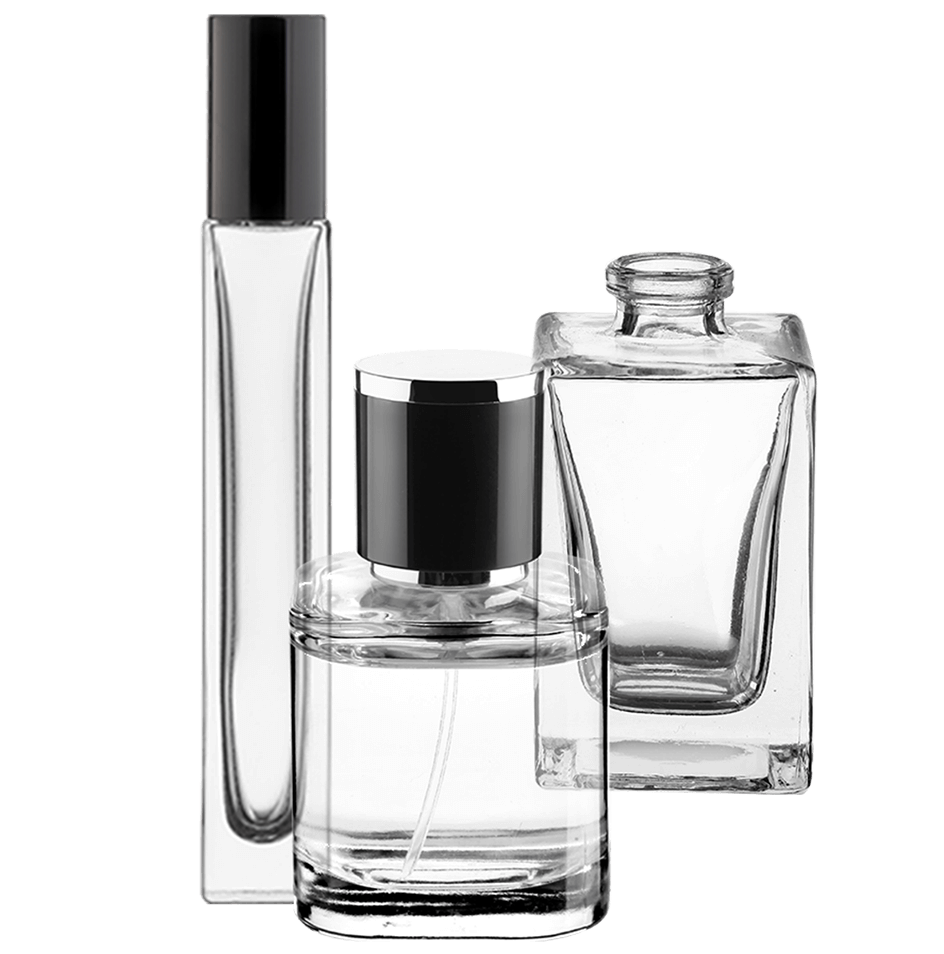
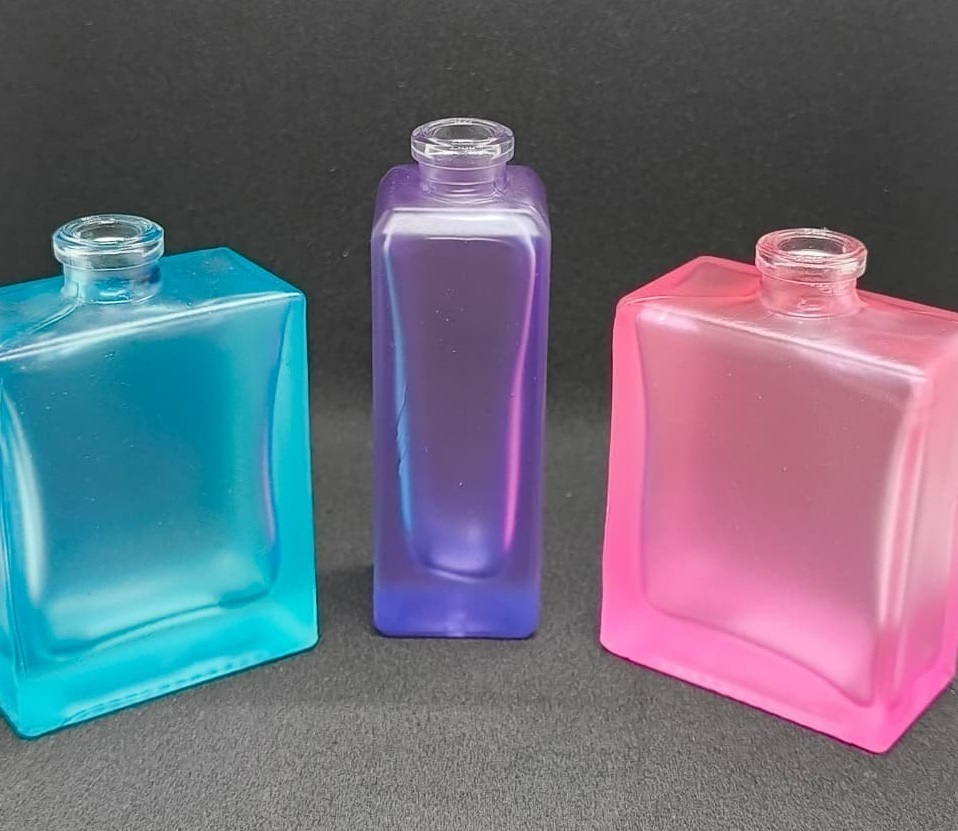
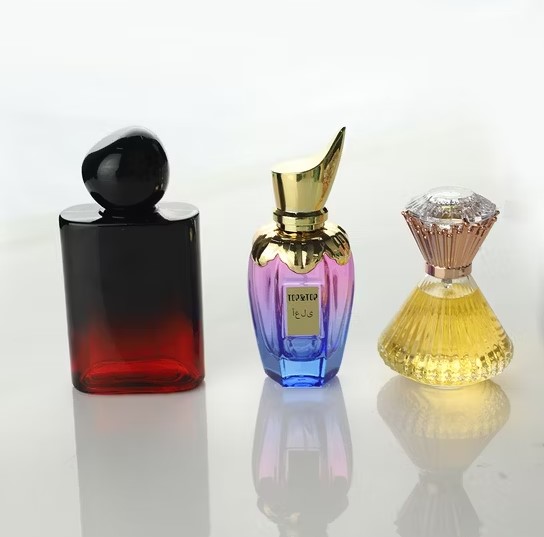
6. Perfume Bottle Selection
The perfume bottle is another important part of the product.
Consumers see the packaging before they experience the fragrance, so bottle selection plays an important role in product presentation.
Factors that may be considered include:
- Bottle size
- Glass quality
- Bottle shape
- Color
- Weight
- Painting
- Printing
- Logo application
- Decoration
- Cap compatibility
- Pump compatibility
For a new perfume brand, a standard stock bottle can provide a practical starting point.
For premium or distinctive projects, customized decoration or special bottle designs may also be considered.
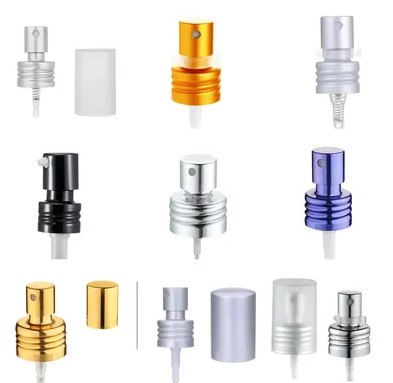
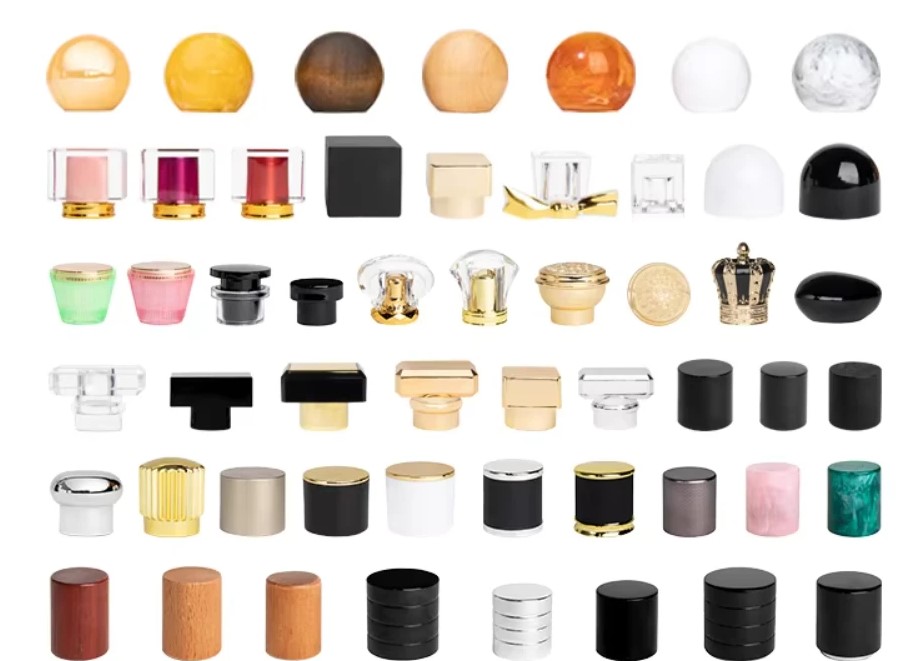
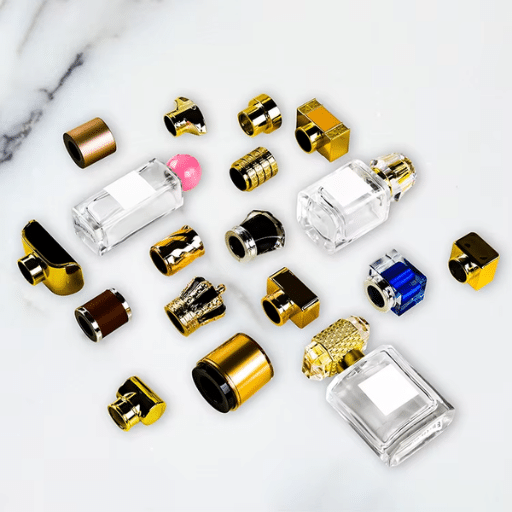
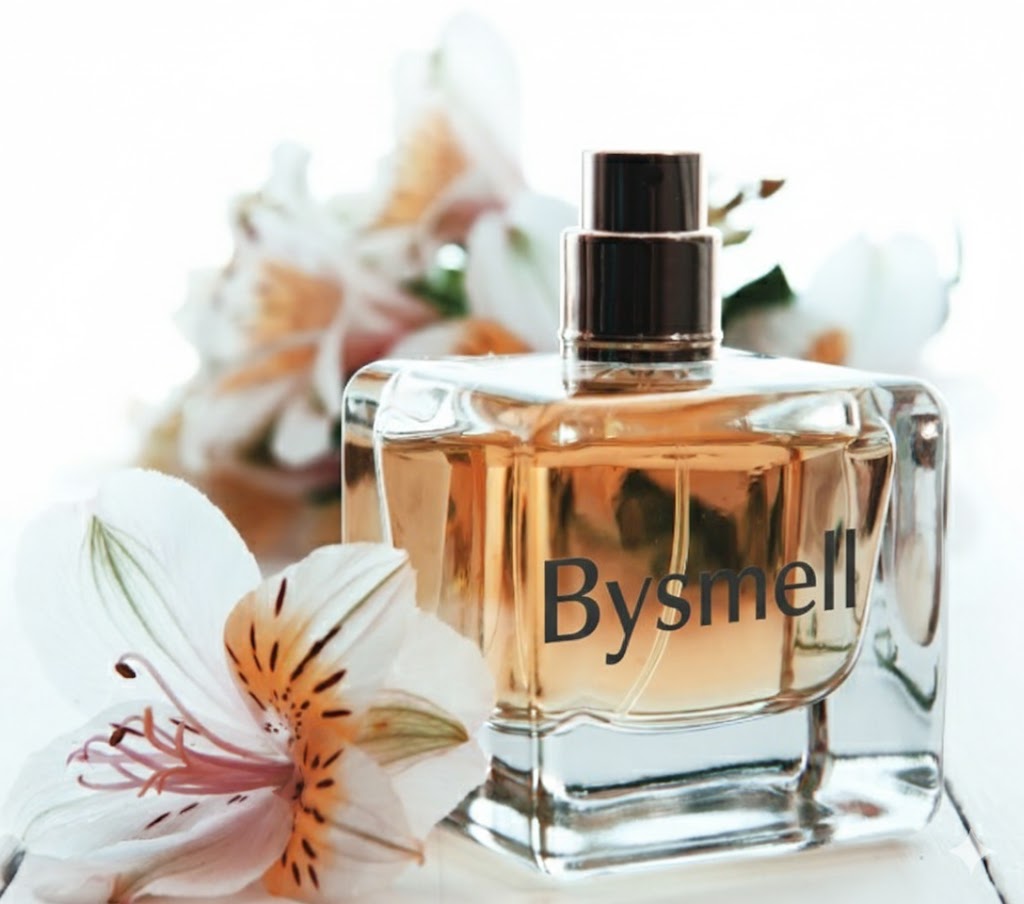
7. Perfume Cap and Pump Selection
The bottle should not be considered separately from the other packaging components.
The:
Bottle + pump + cap + decoration
should create a consistent overall product.
The cap can influence the perceived quality of a premium perfume, while the pump is also important for spray performance.
Therefore, bottle and pump compatibility should be checked before production.
8. Perfume Box and Packaging Design
The perfume box is an important part of the brand’s visual identity.
Packaging may include:
- Brand logo
- Product name
- Product volume
- Ingredient information
- Required product information
- Brand colors
- Printing
- Packaging material
Premium perfume packaging may include additional applications such as:
- Foil stamping
- Embossing
- Special surface finishes
- Custom cutting
- Special printing techniques
The packaging design should also be balanced with the target selling price and overall product positioning.
9. Labeling and Brand Applications
During the private label perfume manufacturing process, the brand identity can be applied to the bottle and packaging in different ways.
Possible applications include:
- Labels
- Screen printing
- Direct printing
- Laser applications
- Bottle painting
- Box printing
- Logo applications
The objective is not simply to place a logo on the product.
The bottle, box and label should work together and communicate the same brand identity.
10. Legal Requirements and Product Documentation
Perfume manufacturing is not only a production and design process.
Cosmetic products may be subject to regulatory, safety, documentation and labeling requirements depending on the market where they will be sold.
The required technical documentation and compliance procedures should therefore be considered at the beginning of the project.
Requirements can differ between countries.
For example, a perfume intended for the Turkish market may have different requirements from a perfume manufactured in Turkey and exported to a European or other international market.
For this reason, the target market should be identified before production begins.
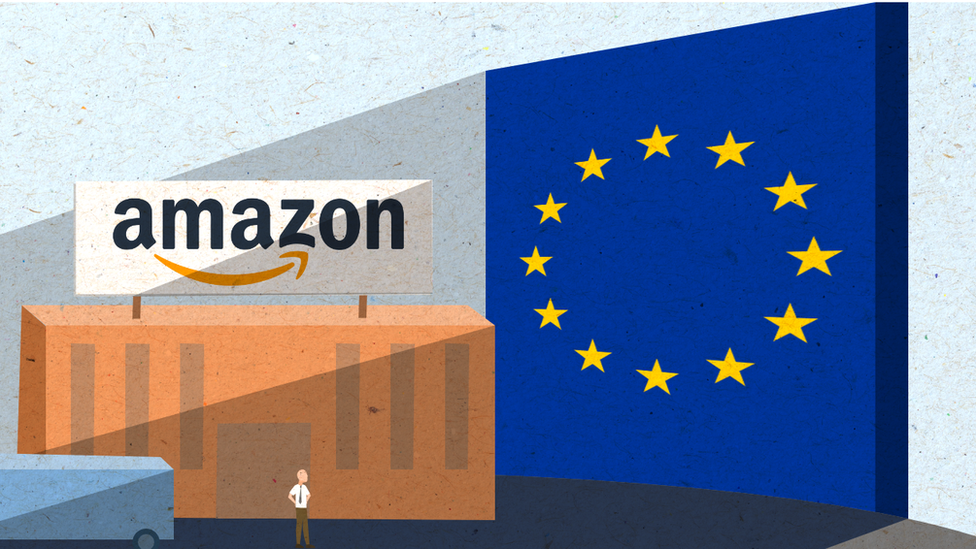
Click For Amazon & European Compliance Documents
11. Raw Material and Packaging Sourcing
Once the formula and packaging specifications are approved, the necessary raw materials and packaging components can be sourced.
Depending on the project, these may include:
- Fragrance
- Perfume alcohol
- Other formula ingredients
- Glass bottles
- Caps
- Pumps
- Labels
- Perfume boxes
- Decoration materials
Having all required materials ready is important for maintaining the planned perfume production schedule.
The perfume liquid alone is not enough to complete a finished product. Bottles, caps, pumps, boxes and other components must also be available.
12. Perfume Production
Once the required approvals are completed and the raw materials are ready, mass production can begin.
The raw materials are combined according to the approved formula.
Important production factors include:
- Raw material quality
- Accurate measurement
- Mixing ratios
- Production conditions
- Hygiene
- Batch tracking
Industrial perfume production is considerably more complex than preparing a small laboratory sample.
For this reason, production infrastructure, equipment and quality systems are important when selecting a contract perfume manufacturer.
13. Maturation and Maceration
Depending on the formula and production system, some perfumes may require a maturation or maceration period.
During this stage, the fragrance mixture is kept under controlled conditions so that the product can develop its intended characteristics.
The duration and method may vary depending on the formulation and production process.
Therefore, there is not necessarily one fixed maturation period that applies to every perfume.
14. Filtration and Product Preparation
Following production and maturation, the perfume may undergo additional technical processing.
Filtration can be important for the clarity and physical appearance of the finished perfume.
The exact filtration procedure depends on the formula and manufacturing process.
This stage prepares the perfume for the filling operation.
15. Perfume Filling
Once the perfume is ready for filling, it is filled into the selected bottles according to the specified volume.
During the perfume filling process, factors such as:
- Filling accuracy
- Bottle cleanliness
- Filling equipment
- Product loss
- Hygiene
- Batch tracking
can be controlled.
Accurate filling is important for achieving consistent product quantities across finished units.
16. Pump and Cap Assembly
After filling, the pump or valve system is installed and the cap is applied.
At this stage, the following factors may be checked:
- Spray performance
- Leakage
- Cap fitting
- Bottle and pump compatibility
For larger production quantities, systematic filling and closing processes are important for product consistency.
17. Quality Control
Quality control is one of the most important stages of perfume manufacturing.
After production, the finished products can be checked according to the specifications established for the project.
Depending on the product, quality control may include:
- Appearance
- Fragrance
- Color
- Filling quantity
- Spray performance
- Bottle
- Cap
- Label
- Box
- Packaging
- Leakage
The purpose of quality control is not simply to identify production problems.
It is also to ensure that the finished products meet the agreed product specifications before shipment.
18. Labeling and Final Packaging
After quality control has been completed, the products move to the final packaging stage.
The finished product can be completed through:
Bottle → Label → Box → Outer Packaging
depending on the project requirements.
At this stage, the perfume becomes ready for delivery and distribution.
19. Shipping and Delivery
Once production, quality control and packaging are completed, shipping can be arranged.
Depending on the customer’s requirements, delivery may be organized for:
- Domestic delivery
- International shipping
- Warehouse delivery
- Logistics company delivery
- Distributor delivery
For international private label perfume manufacturing, the destination country should ideally be identified at the beginning of the project.
The destination market can influence packaging, labeling and documentation requirements.
Why Is Sampling Important in Perfume Manufacturing?
A perfume sample allows the brand to evaluate the actual product before mass production.
Choosing a bottle from a catalog and selecting a fragrance sample separately is different from evaluating the final combination of:
Fragrance + Bottle + Cap + Pump + Design
as one finished product.
For this reason, sample approval is an important stage of the perfume manufacturing process.
What Is MOQ in Perfume Manufacturing?
MOQ means Minimum Order Quantity.
The minimum order quantity for a perfume project can depend not only on the manufacturer’s production capabilities but also on the minimum quantities required for:
- Bottles
- Caps
- Pumps
- Boxes
- Labels
- Other packaging components
For example, a 500-unit project and a 5,000-unit project may require very different production and packaging plans.
For this reason, MOQ should be discussed before starting a private label perfume manufacturing project.
How Long Does Perfume Manufacturing Take?
The total production time can vary depending on the project.
Factors that may affect the timeline include:
- Fragrance selection
- Sample development
- Formula development
- Sample approval
- Bottle sourcing
- Cap and pump sourcing
- Box production
- Labeling
- Decoration
- Legal requirements
- Raw material sourcing
- Production quantity
Projects involving custom bottles or specialized packaging may require additional sourcing time.
At Bysmell, the current stated production timeline for finalized projects is generally 20–25 business days, with the exact schedule depending on the project details and readiness of the required materials.
What Determines the Cost of Perfume Manufacturing?
The cost of a perfume manufacturing project depends on the specifications of the finished product.
Important cost factors may include:
- Fragrance
- Formula
- Perfume concentration
- Bottle
- Cap
- Pump
- Box
- Label
- Decoration
- Filling
- Packaging
- Production quantity
Therefore, the cost of producing a certain number of perfumes cannot always be calculated accurately from quantity alone.
The complete product specifications should first be determined.
Can You Manufacture Perfume Using Your Own Formula?
Yes.
Some brands already have their own perfume formula or technical specifications.
In such cases, the formula can be evaluated for production suitability before the manufacturing process is planned.
For brands with their own formulation, OEM perfume manufacturing can be an appropriate production model.
Can You Manufacture Perfume Without Your Own Formula?
Yes.
You do not necessarily need to have your own formula to start a perfume manufacturing project.
Brands without an existing formula can evaluate available fragrance options or discuss the development of a fragrance suitable for their brand concept.
This can be particularly useful for entrepreneurs launching their first perfume brand.
What Are the Advantages of Contract Perfume Manufacturing?
Contract manufacturing can provide several advantages for brands that do not want to establish their own production facility.
No Need to Establish Your Own Factory
The brand can work with an experienced manufacturer instead of investing in its own perfume production facility.
Access to Production Infrastructure
Production, filling, packaging and quality control can be carried out using an established manufacturing infrastructure.
Faster Product Development
Working with an existing manufacturer can allow brands to focus on product development without first building their own production operation.
Focus on Brand Development
Instead of managing daily factory operations, the brand can focus on:
- Sales
- Marketing
- Brand management
- Distribution
Scalable Production
As the brand grows, production quantities can be planned according to future demand and project requirements.
The Perfume Manufacturing Process with Bysmell
Bysmell provides private label, OEM and contract perfume manufacturing solutions for entrepreneurs, existing brands and businesses targeting different markets.
The production process can cover different stages from fragrance and formulation to packaging, manufacturing, filling, quality control and logistics.
A typical project can be planned as follows:
1. Project consultation
↓
2. Product concept
↓
3. Fragrance selection or development
↓
4. Sample preparation
↓
5. Sample approval
↓
6. Bottle, cap and pump selection
↓
7. Box and packaging planning
↓
8. Labeling and decoration
↓
9. Legal and documentation requirements
↓
10. Raw material and packaging sourcing
↓
11. Mass production
↓
12. Filling and closing
↓
13. Quality control
↓
14. Final packaging
↓
15. Shipping
This structured approach helps brands follow the different stages of their perfume project.
How to Choose the Right Perfume Manufacturer?
Choosing a perfume manufacturer should not be based only on price.
Before starting a private label perfume manufacturing project, brands should also consider:
Manufacturing Infrastructure
Does the manufacturer have the technical infrastructure required for the product?
Product Development Support
Can the manufacturer support fragrance selection or product development if the brand does not have its own formula?
Packaging Options
What options are available for bottles, caps, pumps and perfume boxes?
Quality Control
How is the finished product checked before shipment?
Regulatory and Documentation Support
Can the manufacturer help with the documentation and compliance requirements relevant to the target market?
Production Capacity
Can the manufacturer support increased production volumes as the brand grows?
Communication
Clear communication between the brand and manufacturer is essential for a successful long-term manufacturing relationship.
Common Mistakes in Perfume Manufacturing
New perfume brands sometimes evaluate production only by price.
However, the lowest manufacturing price does not necessarily mean the best overall solution.
Focusing Only on Bottle Price
The bottle may be inexpensive, but caps, boxes, decoration and other components can significantly affect the final product cost.
Starting Production Without a Clear Product Concept
The fragrance and packaging should match the target customer and brand positioning.
Ignoring the Sample Stage
The actual product should be evaluated before mass production.
Starting With Too Many Products
Launching too many SKUs at the beginning can increase inventory and financial risk.
Deciding the Target Market Too Late
The destination market should ideally be determined before production because it may affect labeling, packaging and documentation.
Leaving Packaging Until the Last Stage
Bottle, cap and box sourcing can affect the overall production schedule.
Create Your Own Perfume Brand With Private Label Manufacturing
For entrepreneurs who want to create their own perfume brand, private label perfume manufacturing can provide access to professional production infrastructure without establishing their own factory.
However, building a successful fragrance brand is about more than simply producing perfume.
A successful project combines:
The right fragrance
The right bottle
The right packaging
The right target audience
The right production quantity
The right brand strategy
For this reason, the entire perfume manufacturing process should be planned before production begins.
At Bysmell, we help brands plan their perfume projects across fragrance, packaging, production and delivery stages.
If you are looking for a perfume manufacturer in Turkey for your own brand, private label project or OEM perfume production, Bysmell can evaluate your project and help plan the appropriate manufacturing process.
We are ready to manufacture your perfume brand.
Frequently Asked Questions About Perfume Manufacturing
What is private label perfume manufacturing?
Private label perfume manufacturing allows a brand to have perfume products manufactured by a professional manufacturer and sell the finished products under its own brand name.
How does the perfume manufacturing process work?
The process generally includes project planning, fragrance selection, formulation, sampling, bottle and packaging selection, legal requirements, raw material sourcing, production, filling, quality control, packaging and shipping.
Can I manufacture my own perfume brand in Turkey?
Yes. Brands and entrepreneurs can work with a private label perfume manufacturer in Turkey to develop and manufacture perfumes under their own brand.
Can I manufacture perfume using my own formula?
Yes. If you have your own formula, the manufacturer can evaluate its technical production requirements and plan an OEM or contract manufacturing project accordingly.
Can I manufacture perfume without my own formula?
Yes. Brands without their own formula can select from available fragrance options or discuss custom fragrance development according to the project requirements.
What is MOQ in perfume manufacturing?
MOQ stands for Minimum Order Quantity. The minimum quantity can depend on the perfume project, bottles, caps, boxes and other packaging components.
How long does perfume manufacturing take?
Production time varies depending on formulation, samples, packaging, raw materials, production quantity and other project requirements. At Bysmell, the current stated production time for finalized projects is generally 20–25 business days.
What determines the cost of private label perfume manufacturing?
Fragrance, formulation, concentration, bottle, cap, pump, box, decoration, filling, packaging and production quantity can all affect the final manufacturing cost.



























Markanız için parfüm üretmeye hazırız. Bizimle şimdi iletişime geçin.